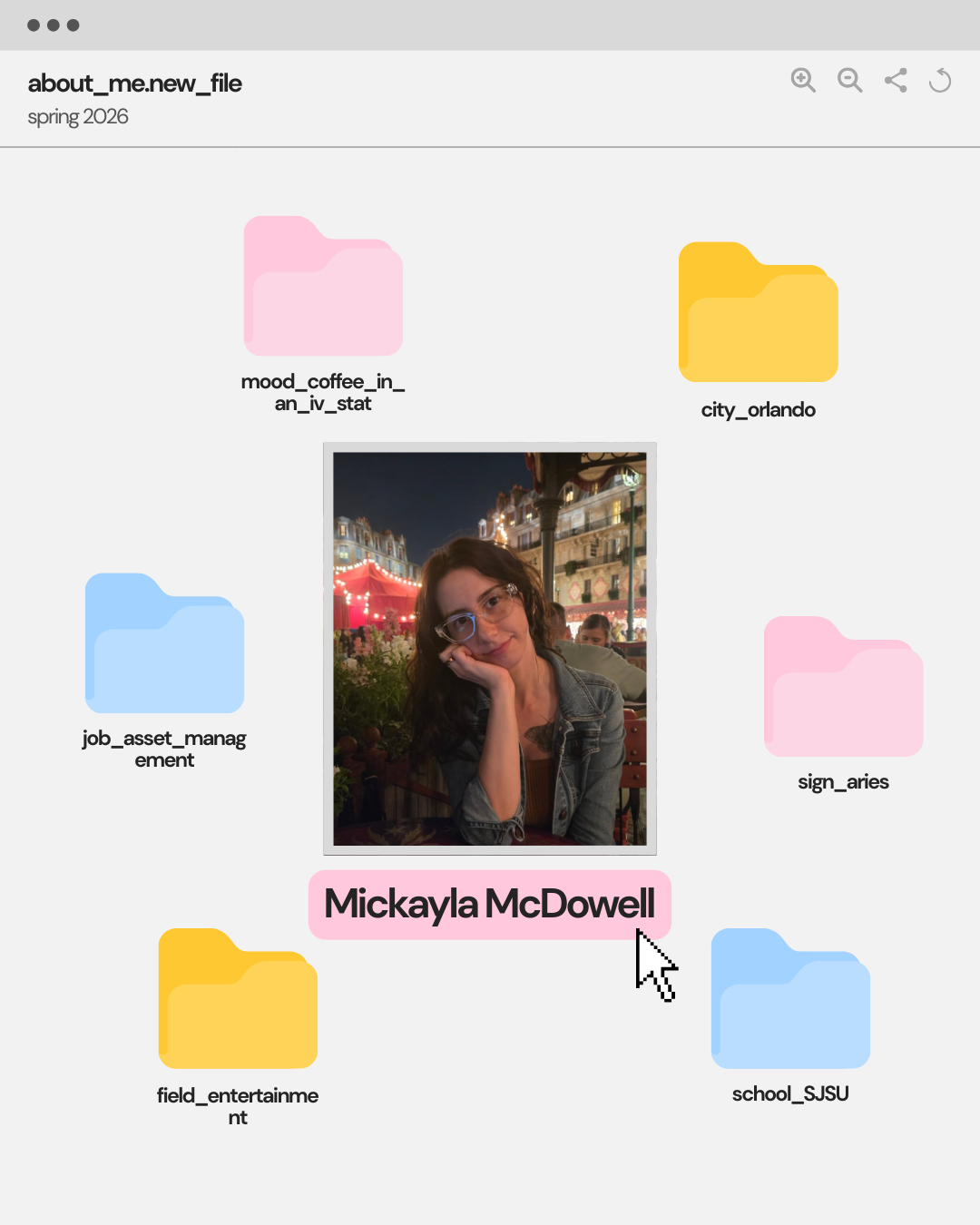
Introduction
This portfolio is a curated selection, not a comprehensive record of my work or experiences. Each piece of evidence was chosen with intention, reflecting both its relevance and its ability to demonstrate competency mastery. The e-Portfolio was initially created in Squarespace, with evidence hyperlinked to Google Drive and accompanied by descriptive labels for each artifact.
Competency A
Ethics are not abstract ideals separate from professional practice; they are the frameworks that guide how information professionals make decisions, manage risk, and uphold trust. This competency narrative explores how foundational values such as intellectual freedom, confidentiality, accuracy, and responsible stewardship operate across libraries, archives, and corporate information environments. Drawing on academic coursework and applied professional experience, it demonstrates how ethical awareness is embedded in daily information work—from evaluating sources and managing access to navigating intellectual property and rights restrictions in creative asset management.
Competency B
This competency explores how organizational context shapes information practice across corporate, academic, cultural, and governmental settings. Through comparative analysis, I demonstrate how differences in mission, governance, and legal constraints influence access, preservation, and information use. This work highlights the need for adaptability, particularly in environments where intellectual property, risk management, and user needs must be carefully balanced.
Competency C
This competency explores the role of inclusive, user-centered program and service design in library and information science. Through applied research, evaluation projects, and information system redesign, this section demonstrates how thoughtful design decisions can reduce barriers to access and better serve diverse communities.
Competency E
Information retrieval systems determine how information is organized, searched, and accessed within digital environments. Designing and evaluating these systems requires understanding how metadata, indexing, and search interfaces work together to support efficient discovery. In libraries, archives, and digital asset management systems, well-designed retrieval systems ensure that collections remain usable and accessible over time.
Competency F
This reflective e-portfolio entry examines my development of Competency F during my MLIS program at San José State University. Competency F focuses on the selection, evaluation, organization, and preservation of both physical and digital information objects. Through three artifacts—a preservation analysis of silk textiles, a digital photograph preservation project, and a finding aid for a digital animation collection—I demonstrate how these principles guide responsible collection stewardship. Together, these projects illustrate how archival theory and collection management practices support the long-term preservation and accessibility of cultural heritage materials.