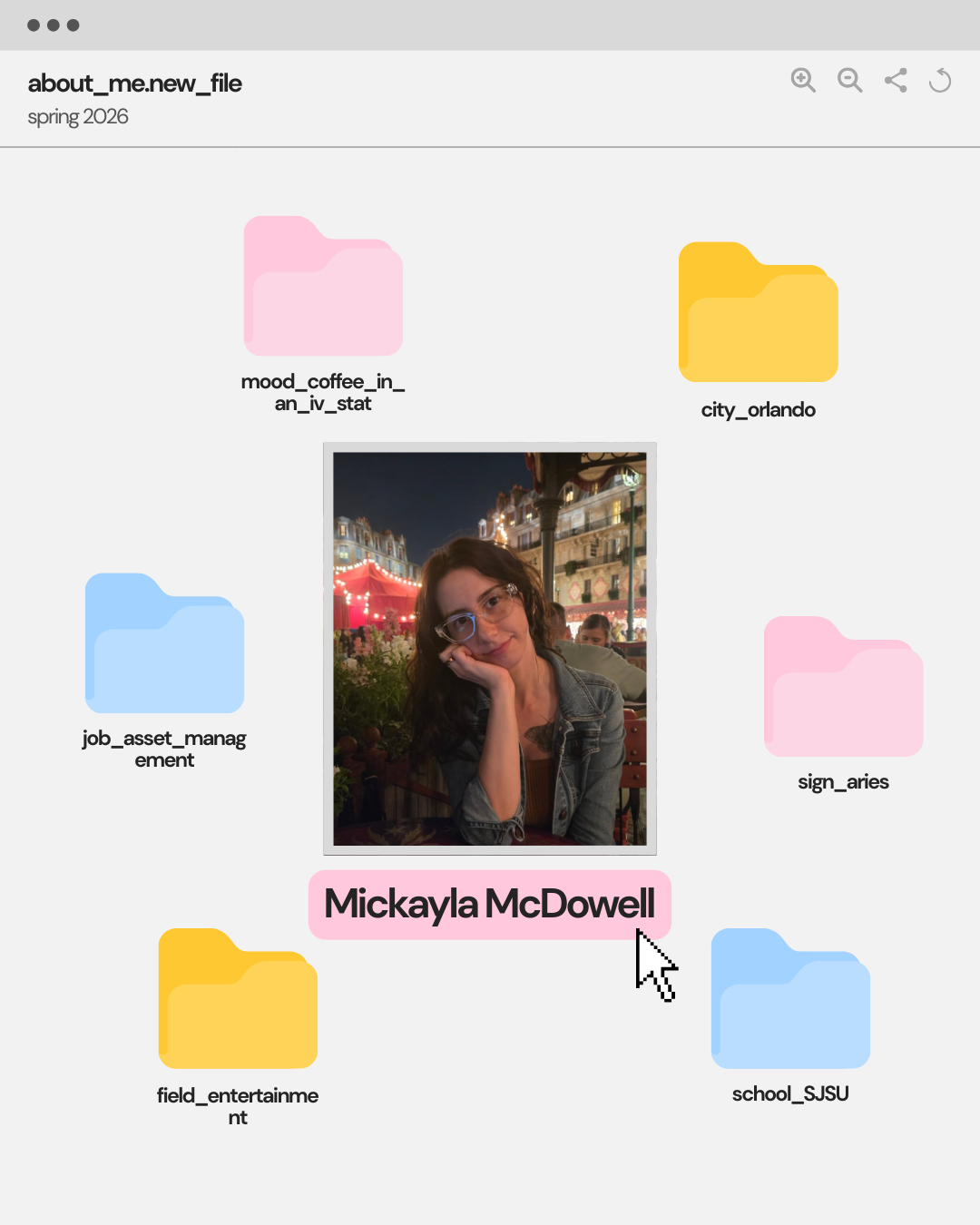
Introduction
This portfolio is a curated selection, not a comprehensive record of my work or experiences. Each piece of evidence was chosen with intention, reflecting both its relevance and its ability to demonstrate competency mastery. The e-Portfolio was initially created in Squarespace, with evidence hyperlinked to Google Drive and accompanied by descriptive labels for each artifact.
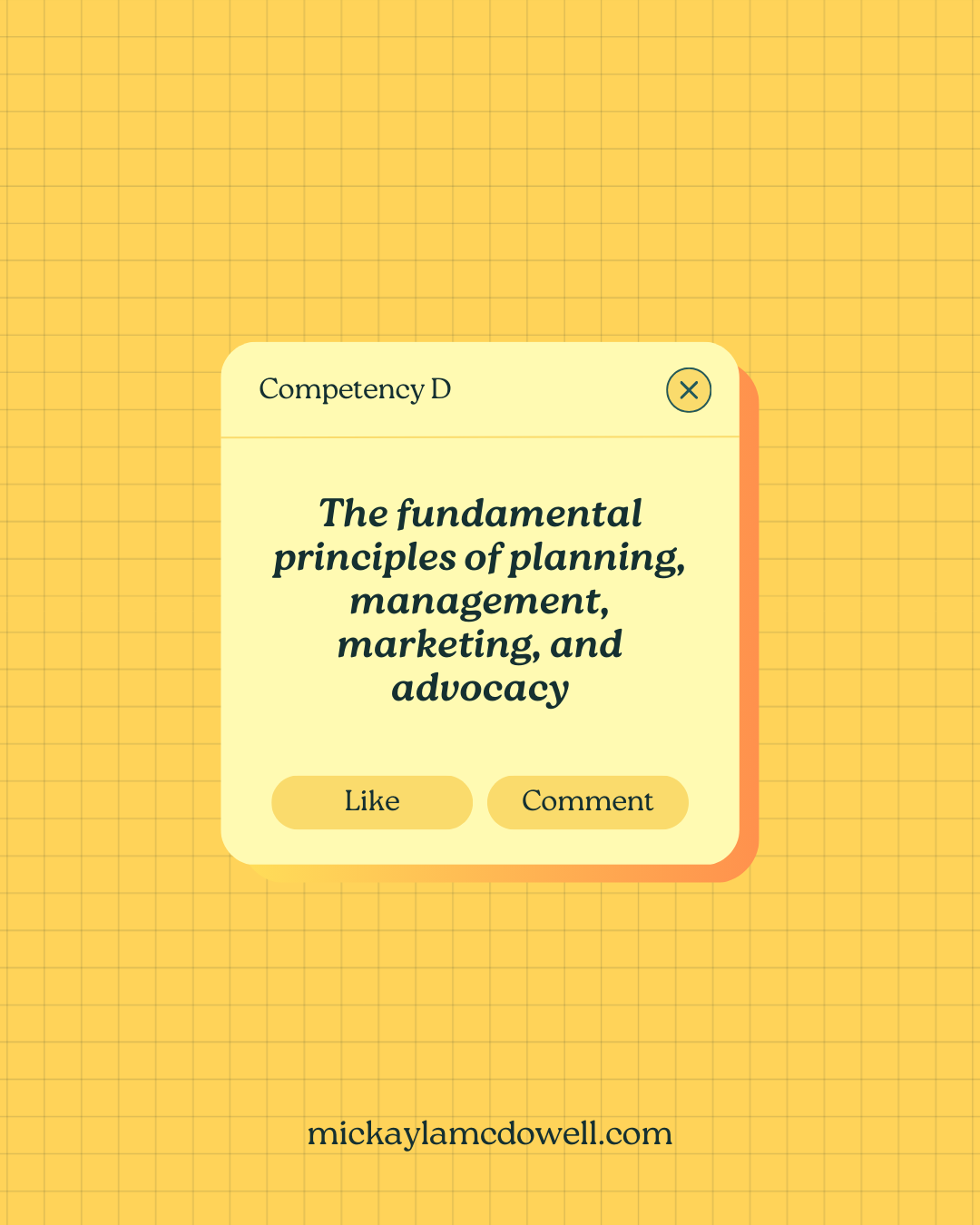
Competency D
This competency demonstrates my ability to integrate planning, management, marketing, and advocacy to design and sustain effective information services. Through projects in archival policy, programming, and digital engagement, I apply structured workflows and strategic communication to improve access, usability, and visibility. My work reflects a shift from organizing information to actively shaping how it is experienced and valued within an organization.
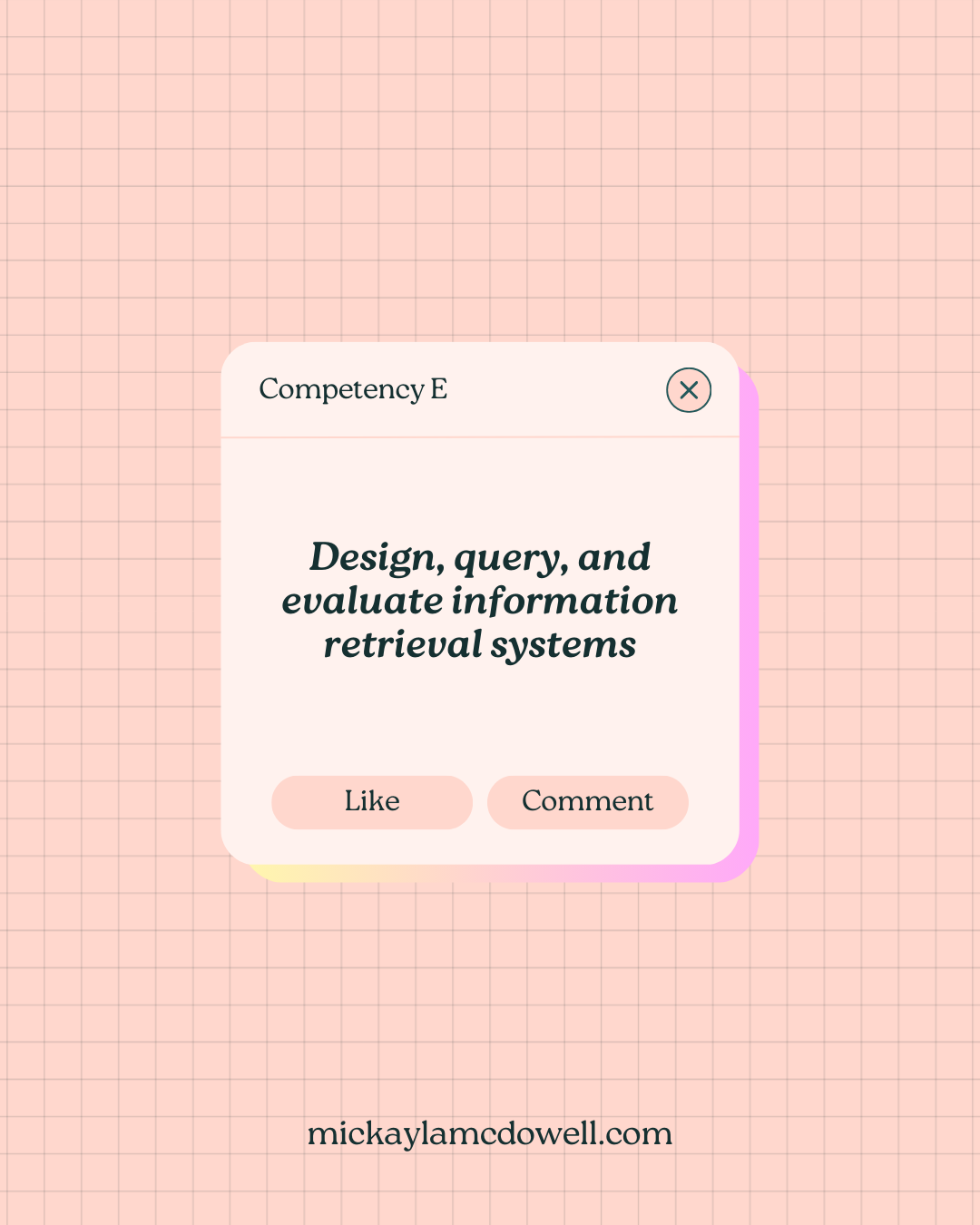
Competency E
Information retrieval systems determine how information is organized, searched, and accessed within digital environments. Designing and evaluating these systems requires understanding how metadata, indexing, and search interfaces work together to support efficient discovery. In libraries, archives, and digital asset management systems, well-designed retrieval systems ensure that collections remain usable and accessible over time.
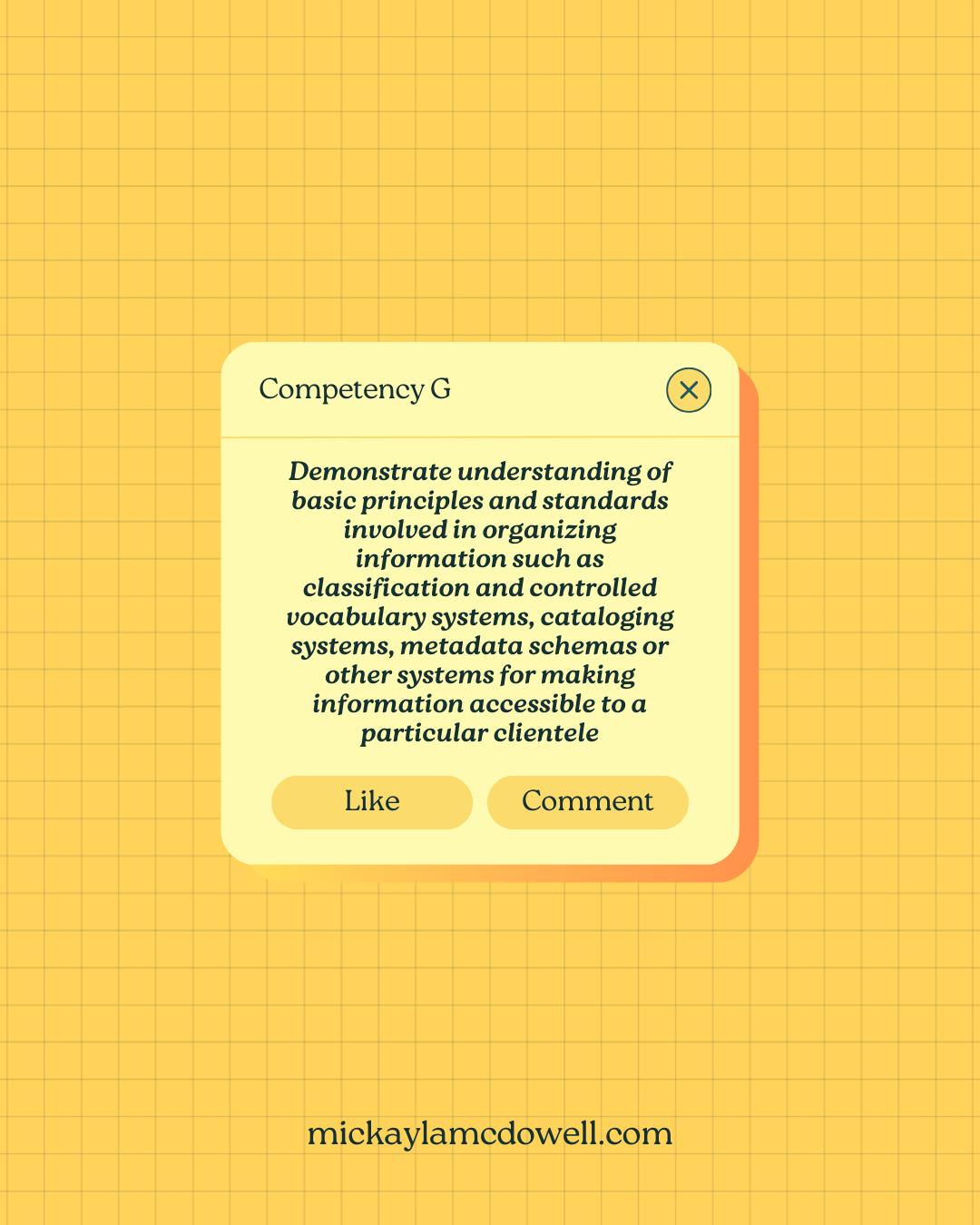
Competency G
Information professionals rely on structured systems to organize knowledge so that materials can be discovered, interpreted, and used by specific communities. Standards such as metadata schemas, cataloging frameworks, and controlled vocabularies provide the foundation for this work. These structures allow information to be described consistently while preserving the relationships between records and their historical context. Through my coursework in the MLIS program, I explored how these organizational systems operate within libraries, archives, and cultural heritage institutions. Understanding these standards is essential for ensuring that information remains accessible and meaningful for future users.